


Top Tips for Senior Safety at Home

Updated: Jul 27, 2025
Ensuring the safety of seniors at home is a fundamental aspect of caregiving. As we age, our physical abilities may decline, increasing the risk of accidents and injuries. Creating a safe living environment can not only help prevent accidents but also provide peace of mind for both seniors and their families. In this blog post, we will discuss practical tips for enhancing safety in the home of elderly individuals.
Understanding Elderly Home Security
Elderly home security encompasses a range of practices and modifications aimed at safeguarding seniors from accidents, injuries, and intrusions. According to the CDC, falls are the leading cause of injury among older adults, accounting for more than 800,000 hospitalizations each year. Additionally, instances of home invasions targeted at seniors are on the rise. Therefore, taking preemptive measures is essential.
To assess your home’s security, observe any areas that might pose a danger. These might include staircases without handrails, throw rugs that could cause tripping, or poorly lit areas. By improving these aspects, you can significantly reduce the risks.
How to Make Your House Safe for Seniors?
Ensuring a safe living space involves various practical steps. Here are some key modifications and strategies:
1. Improve Lighting
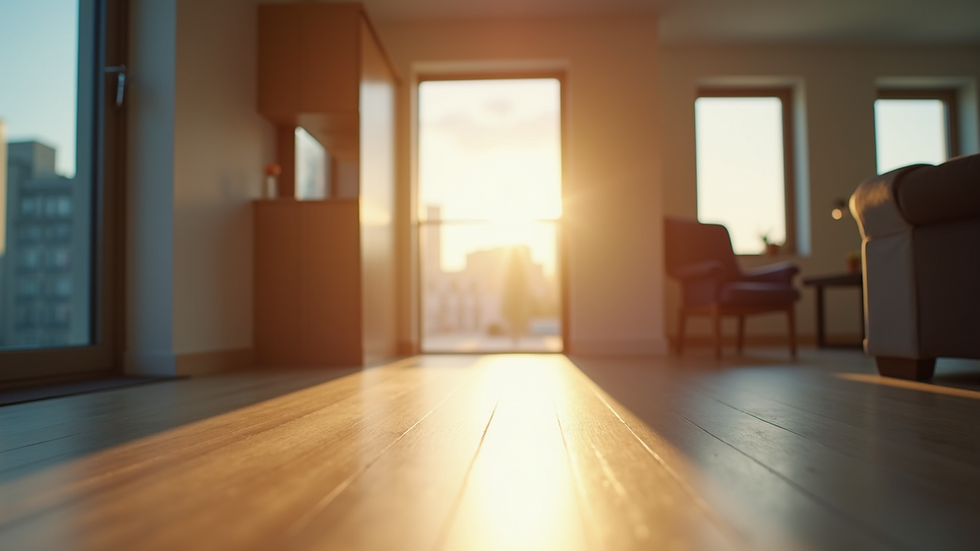
Good lighting is crucial in preventing falls and accidents. Make sure all rooms, hallways, and staircases are well-lit. Consider installing:
Motion-sensor lights - These turn on automatically when someone approaches, providing visibility without having to fumble for switches.
Night lights - Place them in bedrooms, bathrooms, and hallways to prevent trips during the night.
Natural light can also be beneficial. Ensure windows are clean and that curtains can be easily opened and closed.
2. Eliminate Tripping Hazards
Examine each room for potential tripping hazards. Here are some areas to address:
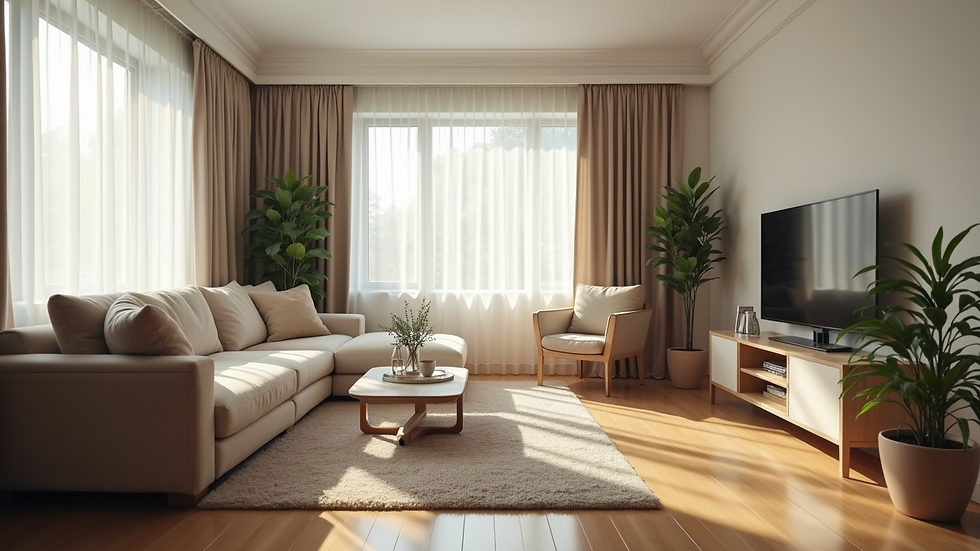
Remove throw rugs - These pose a significant risk for falls. If you prefer to use them, make sure they have non-slip backing.
Organize clutter - Keep floors clear of wires, shoes, and other items to provide a clear walking path.
Manage furniture arrangement - Ensure there’s enough space between furniture for easy navigation, especially for those using walkers or canes.
3. Install Safety Features in the Bathroom
The bathroom can be hazardous for seniors, but implementing safety features can make it much safer. Consider:
Grab bars - Install these near the toilet and in the shower or bathtub for added support.
Non-slip mats - Use slip-resistant mats both inside and outside of the shower to reduce the chance of slipping.
Shower chairs - A shower chair allows seniors to sit while showering, making the process safer and easier.
4. Secure the Home Against Intruders
Elderly individuals can be particular targets for home burglaries. To enhance security:
Install deadbolts - A sturdy deadbolt can make it considerably harder for intruders to enter the home.
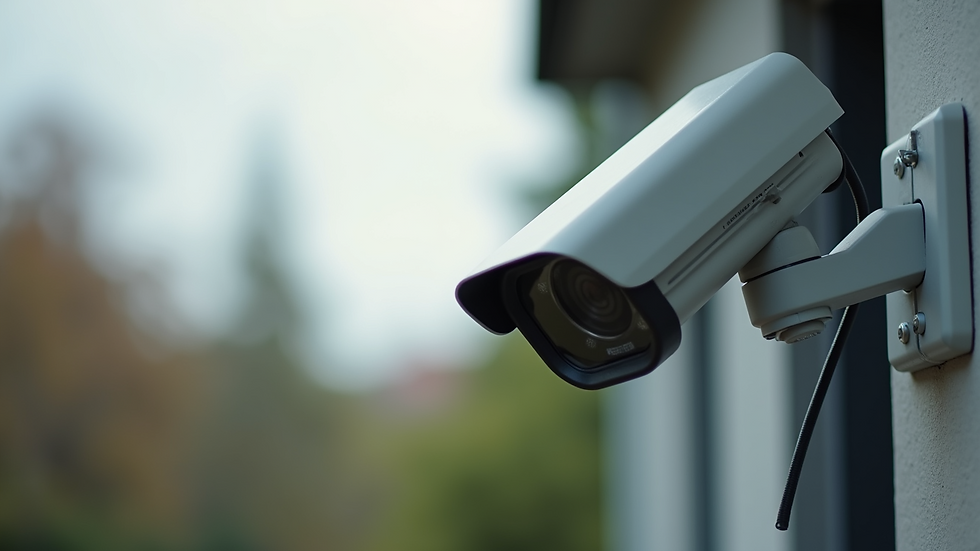
Use security cameras and alarms - Install a simple alarm system and visible cameras to deter potential intruders.
Join a neighborhood watch program - Being part of a community watch can enhance safety and provide extra sets of eyes watching out for your home.
5. Medical and Emergency Preparedness
It is essential to prepare for medical emergencies. Here are some strategies for ensuring immediate assistance when needed:
Emergency contact list - Create a list of important numbers, including family, neighbors, and emergency services. Place it on the wall near the phone.
Medical alert systems - Consider investing in a medical alert device that seniors can wear as a pendant or watch. If they fall or require help, they can easily communicate with emergency services.
6. Regular Health Check-ups
Regular health assessments play an essential role in maintaining safety at home. Encourage seniors to have frequent check-ups with their healthcare providers to monitor conditions such as:
Vision and hearing - Regular exams can detect deterioration that could hinder mobility and increase fall risks.
Medication reviews - Some medications can cause dizziness or drowsiness, affecting a senior’s stability.
7. Engaging Family and Caregivers
Family members and caregivers should be actively involved in discussing safety measures. Regular family discussions can help identify any new concerns or needed adjustments. Consider:
Conducting home safety assessments together.
Planning scheduled visits to monitor and maintain household safety.
8. Creating a Support Network
Having a reliable support network is instrumental in improving elderly home security. A strong support system provides:
Emotional support - This can enhance the overall well-being of seniors.
Physical help - Neighbors or friends can assist with everyday chores that might otherwise pose risks.
9. Routine Safety Checks
Establish a routine to check safety features regularly. For instance:
Test smoke and carbon monoxide detectors monthly.
Check grab bars and railing strength periodically to ensure they are secure.
Review emergency plans with seniors periodically to ensure they understand what to do in an emergency.
By implementing these strategies, the risk of accidents and injuries can be significantly reduced, promoting a safer environment for seniors. You can help improve senior home safety and contribute to their overall quality of life.
Taking Action for Elderly Safety
The well-being of seniors at home is a collective responsibility. As you implement these suggestions, remember that even small changes can make a big difference. Your attention to detail and commitment to creating a safe environment will not only benefit elderly individuals but also provide peace of mind for families and caregivers alike.
In summary, focus on creating a secure living environment by addressing lighting, tripping hazards, bathroom safety, and emergency preparedness. Engage family members and caregivers in the conversation, and don't forget to perform routine safety checks to ensure that the home remains a secure haven for seniors. Through proactive measures, we can greatly enhance the safety and comfort of our elderly loved ones.


Comments